It's the moment that every player experiences--the screen glows, the reels spin, the cards are dealt for a brief moment everything else is unimportant. This is why we gamble. Yet beneath all the excitement, there is a fundamental truth that separates gamblers who are enthralled by gambling as entertainment from those who struggle the fact that gambling is not a way to make money. It's an expense, just as going to the cinema or buying the tickets for a concert. On platforms such as MIZUSLOT, the games are intended to be enjoyable However, they're made with a house edge. Doing so without a plan for your money and your mindset is like walking into an establishment and leaving your money on the table. Responsible gambling isn't about getting rid of the enjoyment from gaming, but instead ensuring you are protected in order to continue playing throughout the day. Here are ten top tips that will help you manage your bankroll and keeping your gambling habits in check.
1. Set a Budget Before You Log In and Follow It
In this case, it's a gold-standard rule The one that is the base of all other rules. Before you open an app or web site, you must decide what amount of money are willing to sacrifice. This should be a discretionary earnings, the money that remains after all charges, savings and essential expenses are accounted for. It's not rent money and it's not grocery money nor is it money for your children's school costs. Think of it as the cost of your entertainment during the whole week. When that money is gone, your fun is over. Do not chase it avoid dipping into other funds and do not try to convince the self "one extra deposit" can turn things around. The decision to stop when your spending is at its lowest is the most crucial talent you can build.
2. Never Chase Your Losses
The risk of losing money is a normal part of gambling. Houses always hold an edge, this means that over time you'll lose more money than you win. Recognizing this is essential. Aiming to make losses, the act of wagering each time in order to get back all you've lost. It's the fastest path to disaster. It's an emotional response and not a rational one. If you're down, your judgment is clouded by sadness and the desire to redemption. It's easier to make bigger bets. take more risks, and depart from your game plan. This can lead to further losses. When you've hit your losses limit for the session accept it, close the app and quit. There's another day to play.
3. Utilize separate wallets or electronic wallets to Gambling Funds
A great way to maintain your budget is to keep your gambling account physically separate from your everyday spending money. Look into a dedicated eWallet such as OVO, Dana, or GoPay, or even an individual copyright specifically designed for gambling. Put your entertainment budget into this account at the start of the week or month. Once the money in that specific wallet is gone, you're done. This creates a bar that prevents you spending money you intended to use for different things. This also makes it easier to track the exact amount you're using over time, providing a detailed information on your gambling habits.
4. Set Time Limits for Your Sessions
Like money that disappears faster than expected just as time can be a lot more unpredictable. The excitement of online games like poker makes hours seem like minutes. It's not difficult to tell yourself you'll only play "just few hands" before realizing that an entire night has gone by. Before you begin playing, you should decide on the time that your session will last. Create an alarm for your phone. When it goes off, that's your cue to log out regardless of whether you're winning or losing. A regular break helps you stay focused and prevents the making of impulsive choices in the midst of fatigue or emotional swings. Put away the screen, stretch, and reconnect with your surroundings.
5. Get the most out of the games that you play
The cost of ignorance is high in the gambling world. Before you put any real risk on your money, do your best to research the games you're playing. Which is the RTP (Return of Player Player) of this slot? Do you know what are the terms of this variation of poker? How do the side bets of Baccarat perform? The majority of platforms, including MIZUSLOT, offer free "demo" or "play for amusement" options. Take advantage of these. Learn the fundamentals, be aware of the odds, and gain a feel for the game's volatility, without having to risk not a single rupee. The best defense is knowledge against costly errors. A player who can comprehend the game will always be at greater advantage over one that is simply doing their best.
6. Use bonuses as tools, not free money
The wagering requirements have been discussed in depth and this is where all that knowledge can pay off. A bonus that has a 40x requirement on Deposit+Bonus is not "free money"--it's a commitment to place a significant bet. Take advantage of bonuses with a strategy. A low-wagering bonus in an already-loved game can increase your time playing. An offer that pays a high amount on games with a low house edge may be unfavorable mathematically. Make sure you read the terms & conditions prior to claiming any bonus. If you think a bonus is too appealing to be true, there are usually strings attached which make it difficult to actually withdraw winnings.
7. Use the Responsible Gambling Tools You can get them
Trustworthy websites like MIZUSLOT need (and should be able) to offer tools that aid you in achieving control. These tools aren't there to punish you. They are there to protect you. Use them to your advantage. You can usually set:
Deposit Limits: A maximum quantity you can deposit the course of a day, week or even a month.
Loss Limits: A limit in the amount of money you could be able to lose in a particular time.
The reminders for session times: Notifications are displayed to inform you the length of time you've been playing.
Self-Exclusion is a way to stop yourself from accessing the website for a predetermined time (from 24-hours all the way to several years).
Limits are set when you are calm and thinking clearly is a powerful way to practice self-care.
8. Do not gamble while under the influence
The advice here is easy and non-negotiable. Alcohol, drugs, and even strong emotions like anxiety or fear can sway your judgement. They diminish your inhibitions. encourage you to take risks you wouldn't normally consider. If you're under the influence and you're not in control, the discipline of your financial plan as well as the rationale behind your strategy go out the door. You place bets on the spur of the moment and chase losses and you lose money that you'd planned to keep. If you've had a drink or are feeling emotionally compromised get off the site. The games will still be at hand when you're calm.
9. Balance gambling with other hobbies
A balanced life is a balanced life. If gambling becomes your only option for enjoyment that's a red flag. You should make a conscious effort to maintain other interests and other hobbies that aren't to play with betting. Spend time with your family and with friends who aren't gambling. Read a good book. Get out for a hike. Engage in a game. Exercise. These kinds of activities do not only enhance your life, but also provide moments of relaxation from gambling. They also help you maintain perspective. When gambling is just one of the enjoyable activities it's simpler to keep it in its place for entertainment rather than let it become an obsession.
10. Know the warning signs to watch out for and where to get help
In the end, you must be honest with yourself regarding your habits. Responsible gambling is recognizing when it might be becoming problematic. Some key warning signs include:
I am constantly thinking about gambling.
Falsifying family or friends regarding the amount you wager.
Borrowing money or selling possessions to play.
It is a form of gambling that helps relieve anxiety, stress or depression.
Being irritable and restless when trying to reduce.
If you recognize any of these indicators in yourself, it's crucial to seek help. You're not the only one. Organisations across Indonesia as well as around the world offer free advice and assistance that is confidential. Simple online searches for "responsible gambling aid Indonesia" can connect you with resources and those who know what you're going through. See the top https://spoutnickteam.com/ for website recommendations including permainan slots, tournament slot, poker casino online, cuan88 slot login, permainan slot online, judi online slot, slot togel, poker casino, game slot online terpercaya, online bola and more.
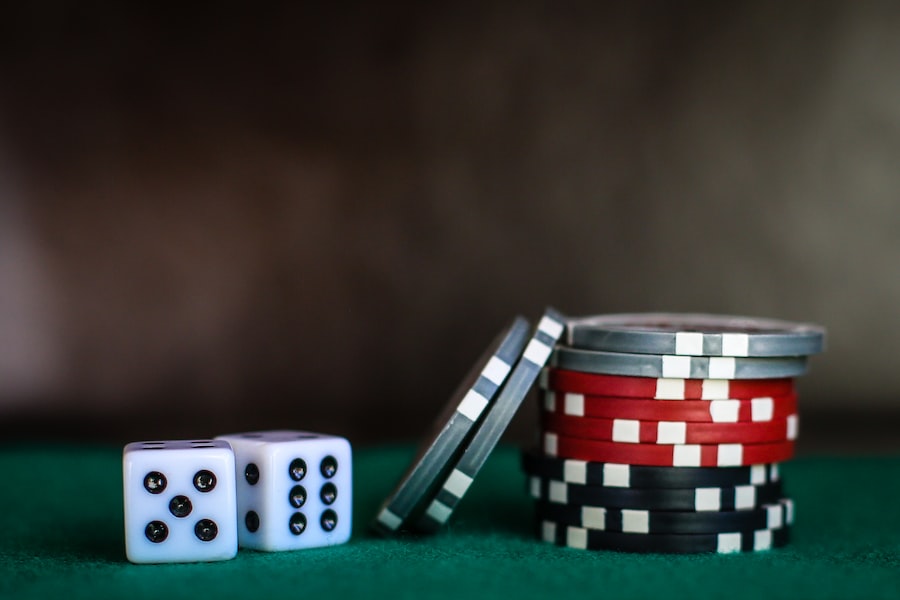
Common Poker Mistakes That New Poker Players Make With MIZUSLOT
There's a hard reality any new player has to face. You're sitting at a virtual table using a platform such as MIZUSLOT, you've seen a few video tutorials knowing the hand rankings and are confident of conquering the felt. But then, in a way, your chips disappear. And again. The truth is that poker is a game of mistakes--specifically, making fewer of them than your opponents. Even the top players aren't perfect, but they've learned to identify and remove the most costly mistakes in their play. For novices, the gap between perceived knowledge and actual skill is often filled by a series of predictable mistakes which drain bank accounts and erode confidence. Understanding these common traps can be the initial step to sealing your leaks and creating the basis for a real change. Here are 10 specific points to learn about the most common poker mistakes new players make.
1. The Game of Too Many Hands
This is a common beginner's mistake which distinguishes winners from those who constantly question how their money was spent [citation:1The answer is. When you're new all hands look intriguing. What's that 7-5 offsuit? Maybe it'll hit a straight. This Q-3 would be a good match? It's hard to say. However, the math isn't forgiving. In fact, playing more than 20-25% of your poker hands before the turn is almost certainly a mistake at most tables [citation 12. The key to winning poker is determination and patience. The key is to focus on strong starting hands from good vantage points, and then develop the discipline to fold everything else. The monotony of folding is significantly less painful than disappointment of losing with poor hands.
2. Not Paying Attention to Position
Most new players make their choices entirely on their cards, totally disregarding where they're sitting at the table. Your location relative to the button that is the dealer is one of your most important considerations in every decision you make [citation:2(2). When you play last in a wagering round will give you the benefit of observing what everyone does before committing chips. Beginners often play too many hands from early position, where they're pressured to act first with a lack of information. Also, they don't have the ability to play more hands from the late position that allows them to take blinds and direct the action. If you'ren't adjusting your hand's selection based on location, you're throwing away the money.
3. Snagging Losses and Playing on Tilt
Poker is a game that involves swings. Even the best players can lose the hands they could have won. The difference between professionals and amateurs lies in how they react to losses. When novices suffer a beat, their mood changes. They enter a state called "tilt"--frustration in anger, frustration, as well as emotional impulsiveness which leads to reckless decisions [citation: 66. They then begin to chase losses by playing more cards, filling their pockets with garbage, and trying to win in order to "get at a level." This doesn't work. When a player tries to avoid losses, he tends to dig a deeper hole. Recognizing when you're being swayed and having the courage to step away, even for fifteen or so minutes, is essential to long-term survival [citation:99.
4. Poor Management of Bankrolls
Many players treat their poker money as one pool of cash. They'll bet on stakes that feel thrilling, regardless of whether they have enough money to cover the inevitable fluctuations [citation: 2]. One simple rule experienced players follow is the 1-2% rule: never risk more than one-and-a-half percent of your total bankroll in a single cash buy-in or game [citation: 88. If you've $100 in your poker account, you have no legal right to play events with buy-ins as low as $20. The odds are that you'll go broke before you reach that lucky run. Start at low stakes as you can and only move up once you've beat your current level [citation:5five.
5. Being passive and fearing aggression
The new players tend to fall into the passive mindset. They'll make calls when they should bet, raise when they should bet and generally let others dictate the process [citation:4]. This is particularly prevalent from blinds where players are hesitant to "see a cheap flop" playing with weak hands [citation4]. The issue with passive play is that it does not put pressure on other players, and rarely maximizes value from your strong hands. Playing poker with aggression is essential. If you've got a hand which you believe is best, then bet it and then raise it. If you're the one who is first to act but don't immediately check -- think of leading out. Aggression forces mistakes from your opponents, and also creates bigger pots when you're ahead.
6. Calling Too Much and Bluffing Too Little
This error is a natural consequence of the state of mind. It is common for beginners to call too often particularly on the river [citation: 10]. They become "calling stations," charging opponents' worth bets by using hands that don't have the potential to win. There's a psychological element to this--players don't want to feel like they've been bluffed. So they call in order to "keep people honest." Contrary to this, novices aren't able to bluff enough [citation: 10They aren't confident enough to bluff [citation:10. They're afraid to be caught as a fool. The result is a pattern that is predictable: they only wager when they have strong hands, and choose to withdraw only if they're confident they'll be beaten. Proficient players know how to make the most of this.
7. Don't overvalue weak hands and draws
Ace-king is beautiful before flop, however, if the flop doesn't hit you completely, that's Ace-high. [citation:1]. Beginning players become enthralled with the big cards they start with and resist the temptation to leave them even when the board is clearly dangerous. Similarly, new players overvalue drawing hands. They'll chase flush and straight draws without understanding Pot odds, and place huge bets but having a very low chance of winning [citation:1]. Even if they do get their draw, they usually do not get the most value and try out fancy check-raises which will backfire [citation :11. Learning to fold a strong-looking hand when the situation calls for it is an indication of growing maturity.
8. Doing nothing to pay attention to opposition
Many novices play as if they're on their own at the table in complete focus on their own decisions and playing cards. Poker is a game for people, not just cards [citation:22. Experiential players constantly monitor their competitors: Who plays loose? Who is loose? Who bows to pressure? Who makes calls on weak shoulders? Do you get angry after losing? The information you gather is worth gold. On platforms like IDN Poker, you have the tools to make notes of players. Utilize these tools. The player who doesn't take note of their opponents is playing a completely different and more profitable--game than the player who studies everyone on the table.
9. Playing Too Many Tables or for too long
The online format can entice players to maximize their volume. Four tables, six tables, and even more - the action never ends. For the novice player this can be a huge disaster [citation: 5]. The ability to read opponents, understand bet sizing patterns, or see tells when you're trying to keep up with six simultaneous games. Start with one or two tables per table. Be attentive. Notes. Consider each decision carefully. Like playing for hours without breaks can lead to exhaustion, and exhaustion leads to mistakes [citation:5]. Your brain needs rest. Make sure you take regular breaks, step away from your screen and come back refreshed.
10. Refusing to Study and Learning from mistakes
The final error is the one that is the most common: failing to make improvements. Many players play after losing and return the next day and repeat the same mistakes [citation: 7]. Poker is a game that requires continual learning. The successful players are the ones who look over their playing skills, discover their weaknesses, and then work in order to fix them [citation : 9There are many ways to improve your poker game. This could mean reading articles in the media, watching training videos conversing with more experienced players, or taking time after each session to reflect on key decisions. If that you're not gaining knowledge, you're being left behind because somewhere else the players are studying to beat you.
